First Aid & Basic Life Support Training
Be Ready When Every Second Matters
An emergency rarely gives you time to prepare. The right training can help you recognize what is happening, take immediate action and provide meaningful care until professional help arrives.
Build practical, potentially lifesaving skills through First Aid, CPR, AED, Basic Life Support and specialized emergency-response classes designed for individuals, caregivers, healthcare professionals and organizations.
Training for Specific Roles
Specialized Skills for the Situations You May Face
Different environments create different risks. Choose focused training that prepares you for the people, responsibilities and emergencies connected to your role.
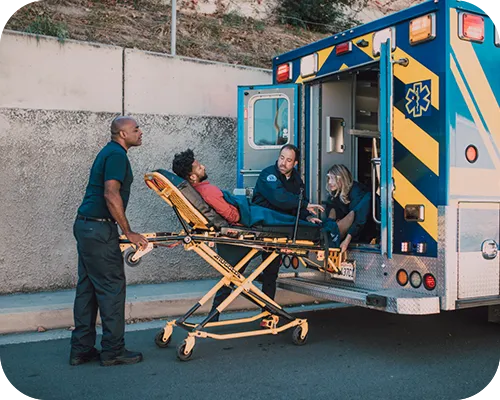
EMT/EMS Services
Strengthen the skills required before and during professional emergency care.
Emergency medical personnel work in fast-moving situations where assessment, communication and coordinated action are essential. Training for EMT and EMS teams supports a structured response to medical emergencies while reinforcing the practical skills needed to care for patients until they reach the next level of treatment. This option is suitable for emergency-response professionals and organizations seeking focused skills development for their teams.
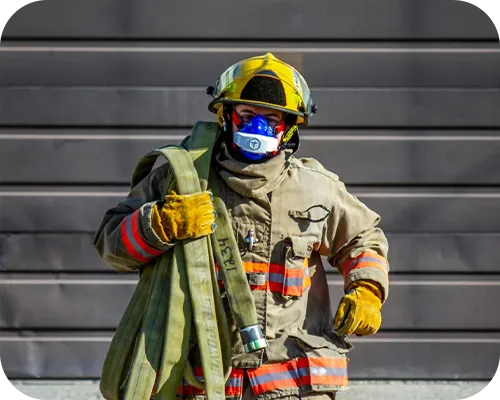
Fire Personnel
Build response skills for high-risk, rapidly changing environments.
Fire personnel may encounter trauma, breathing emergencies, cardiac events and other life-threatening situations before additional medical support arrives. Focused training helps reinforce assessment, immediate care, teamwork and clear decision-making under pressure. Classes can be discussed around the operational needs and responsibilities of your personnel.

Municipal Police
Prepare officers to provide immediate care before EMS arrives.
Law-enforcement professionals are often among the first people at the scene of an emergency. The ability to recognize a life-threatening condition, control severe bleeding, begin CPR or support a person in distress can make a meaningful difference during the critical minutes before advanced care arrives. Training is focused on practical response, scene awareness and confident action within the officer's role and level of instruction.
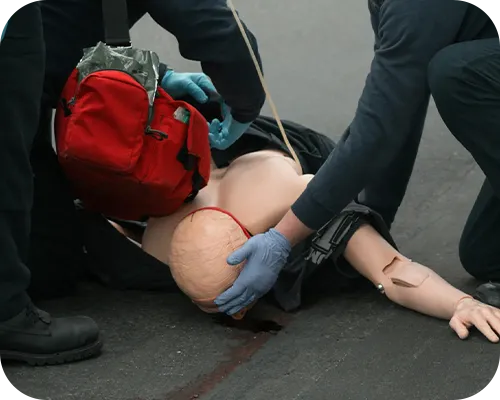
Construction & General Trades
Prepare your workforce for the hazards present on the jobsite.
Construction sites can expose workers to falls, machinery incidents, electrical hazards, severe bleeding, silica, lead and trench or scaffold emergencies. Safety procedures reduce risk, but teams also need to know how to respond if an incident occurs. Training can help workers and supervisors strengthen emergency readiness while supporting a workplace culture built around prevention, awareness and action. Relevant safety considerations may include:
- Trench and excavation hazards
- Scaffold safety and fall protection
- Silica exposure controls
- Lead exposure during renovation or abatement
- Lockout, tagout and equipment de-energization
- Immediate response to injuries and life-threatening bleeding
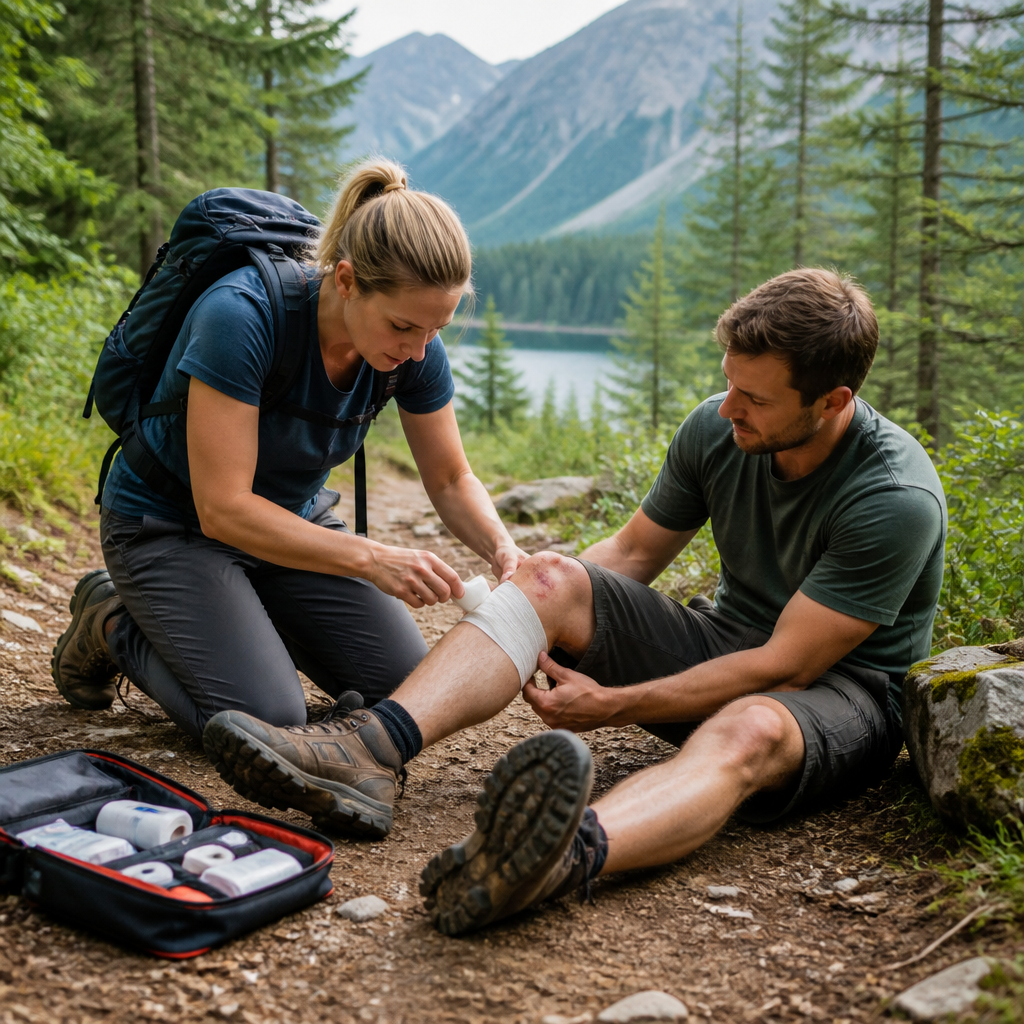
Hiking & Backpacking First Aid
When professional help is far away, preparation matters even more.
An emergency on a trail is different from one in a home or workplace. Distance, weather, terrain and delayed access to emergency responders can turn a manageable problem into a serious situation. This training helps you think ahead, understand how to use your first aid kit and prepare its contents for the size and needs of your group. You will gain practical knowledge to help minimize risk and respond more effectively when trekking through the wilderness.
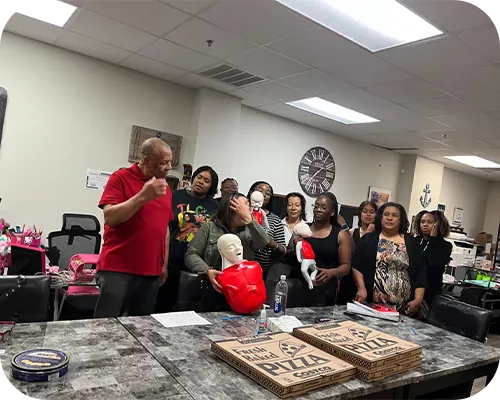
Neonatal Advanced Life Support
Advanced education for those caring for the most vulnerable patients.
Neonatal Advanced Life Support training helps healthcare professionals assess, recognize and provide high-quality care to newborn patients experiencing serious respiratory or cardiac emergencies. The science-based curriculum is designed to strengthen skill retention, critical thinking, problem-solving and teamwork so participants are better prepared to respond during complex neonatal events.
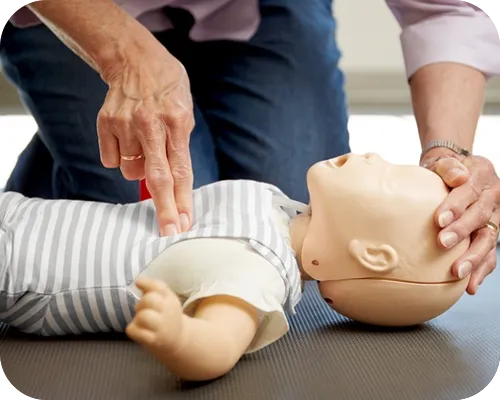
Babysitting & Child Care
Give children attentive care—and give parents greater peace of mind.
Responsible child care involves much more than simply being present. Babysitting and Child Care training helps participants become safer, more confident and more professional caregivers. Training covers key areas such as:
- Accident prevention and emergency response
- Common childhood emergencies
- Infant and child care basics
- Feeding, diapering and soothing
- Age-appropriate activities
- Leadership, responsibility and professional conduct
Participants leave better equipped to create a safe, engaging and positive environment for the children in their care.

Canine & Feline First Aid
Be ready to help the animals who give you so much.
Your pet depends on you every day—including during an emergency. Canine & Feline First Aid training teaches you how to recognize potential problems and provide appropriate initial care for your dog or cat while seeking veterinary assistance. Drawing on more than 30 years of animal husbandry experience, this 60-minute course covers essential topics such as:
- Understanding your pet's vital signs
- Breathing and cardiac emergencies
- Wounds and bleeding
- Seizures
- Preventive care for cats and dogs
The course connects with online American Red Cross learning and is compatible with desktop and tablet devices.
Focused Emergency Skills
Develop the Skills to Respond to Critical Emergencies
Life-Threatening Bleeding
Learn to recognize dangerous bleeding and take immediate action.
Severe bleeding can be internal, external or both. Internal bleeding may follow a fall, vehicle collision, heavy-equipment incident or other blunt-force trauma—even when the skin is not broken. External bleeding is visible, but the amount and speed of blood loss can quickly make it life-threatening. Training helps you understand the warning signs, assess the situation and provide appropriate immediate care while emergency services are on the way.
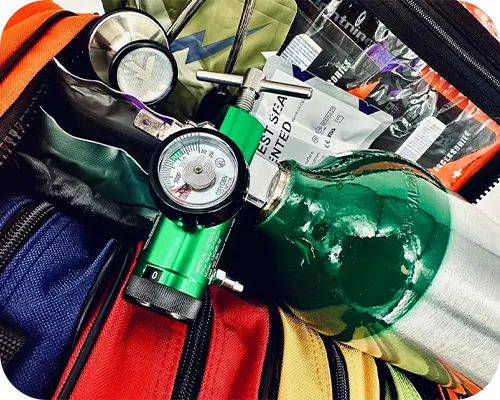
Administering Emergency Oxygen O2
Build confidence using oxygen-delivery and basic airway equipment.
This skill-focused course provides training in emergency oxygen, suctioning devices and basic airways. Participants learn how to use relevant equipment safely and effectively during a breathing emergency. Training may include how to:
- Administer emergency oxygen
- Clear and maintain an open airway using suction
- Use a basic airway device appropriately
- Demonstrate insertion of an oropharyngeal airway (OPA)
- Demonstrate insertion of a nasopharyngeal airway (NPA)
Optional basic-airway content can address adult, child and infant applications.
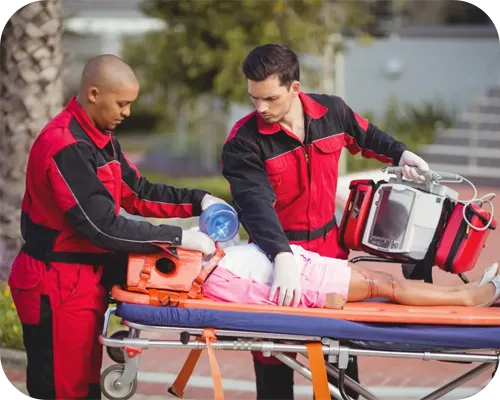
Emergency Medical Response
Prepare to provide care until more advanced help takes over.
Emergency Medical Responders are trained to provide immediate care as part of their paid or volunteer responsibilities. They often arrive before more advanced emergency medical personnel and play an important role in the wider EMS system. This training helps participants understand their responsibilities, coordinate with community emergency resources and provide basic emergency care until an EMT or another advanced provider assumes patient care.
What Students Say
"Very informative and engaging session. Thank you Mr. Ronald for sharing the knowledge by illustrating different techniques from your experience. I recommend the session for people from different career paths, not just health professionals."
Ancy Herbert
"Mr Allen was excellent, informative and thorough. Thank you for such a positive engaging and educational experience."
Charles E. Bass Sr.
"I learned so much that will help me in emergency and day to day situations. Instructor Allen was very knowledgeable in this topic and led an insightful class."
Jayla Clark
"Very well explained class. Super supportive and friendly. Would 100 percent take the class again."
Chanel Arzeno
Take the Next Step
The Emergency Will Not Wait. Your Preparation Should Not Either.
You cannot predict when someone will need help. You can decide how prepared you will be when that moment comes.
Choose your class, build practical skills and gain the confidence to respond with purpose when every second matters.